Search Projects, Solution or Blog.

Contact Info
Location Bhubaneswar, Odisha, India
Follow Us

Innovate. Implement. Industrialize.

Blogs

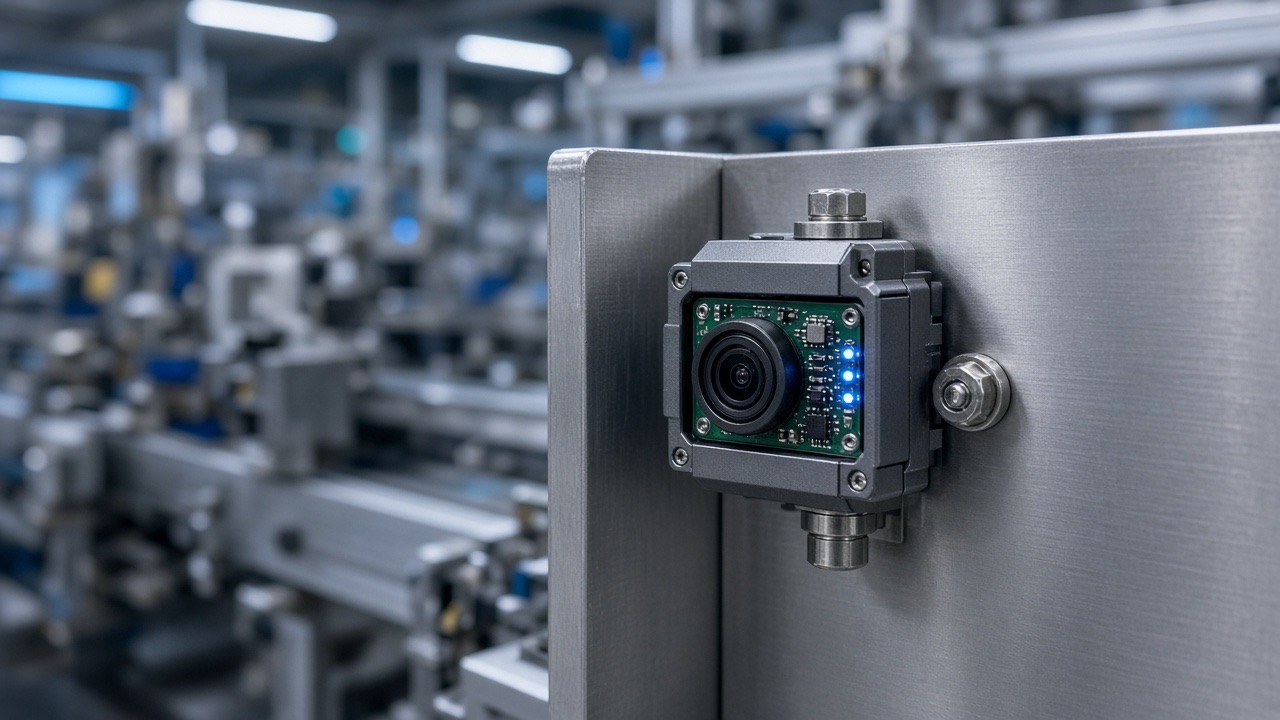
Edge AI sensor on a factory machine Artificial Intelligence

Edge AI on the Factory Floor: Why Inference Is Moving Onto the Device

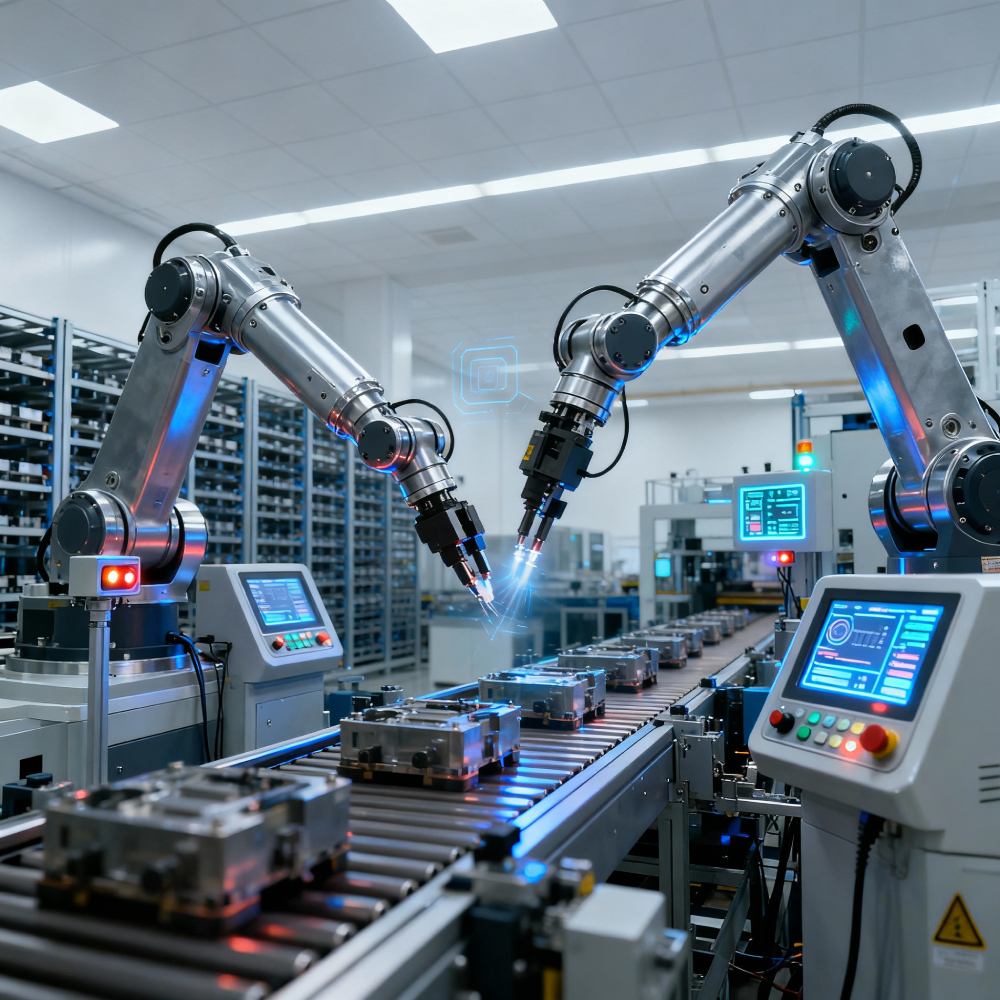
Factories no longer need to send every camera frame and vibration sample to the cloud. Compact vision and sensor modules can now run inference next to the machine, flagging defects, drift, and unsafe conditions in milliseconds. That shift cuts bandwidth, keeps process data on site, and still leaves room for a central model to improve over time.

The hard part is the product around the model: a board that stays cool in a cabinet, firmware that boots reliably, and a software path that updates models without stopping the line. Teams that design the hardware, firmware, and model pipeline together ship edge AI that operators actually trust.
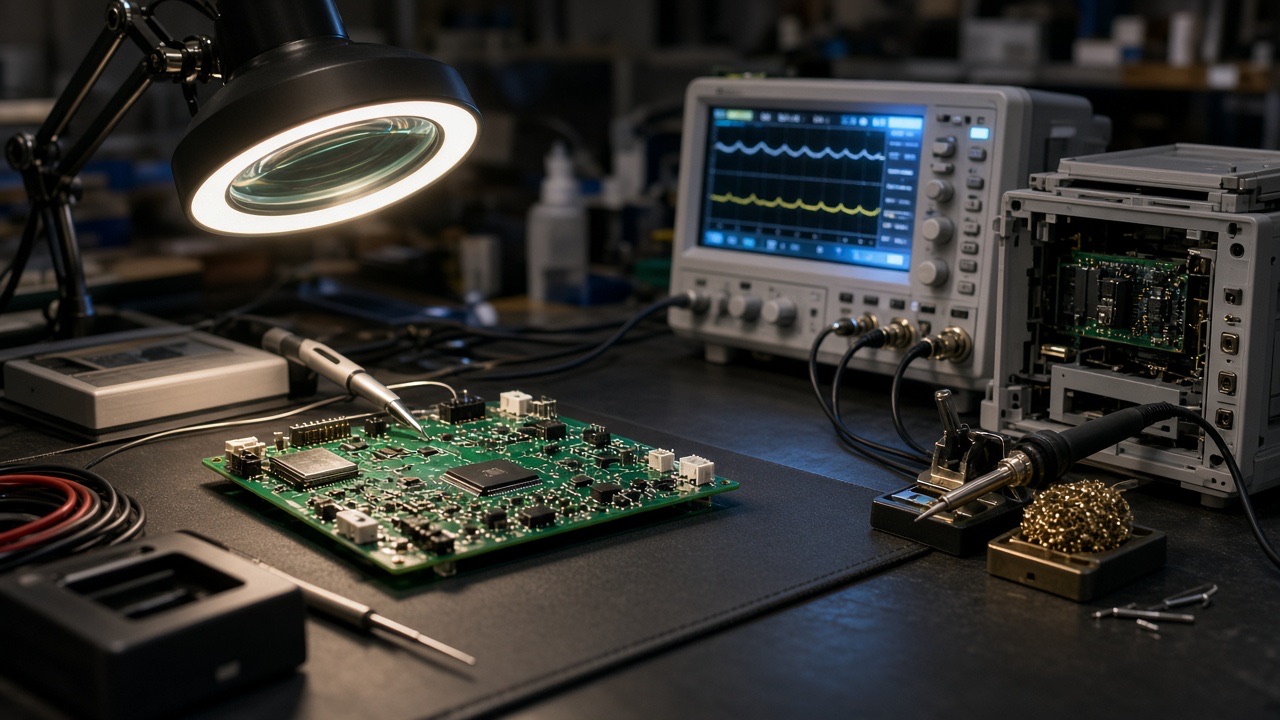
Printed circuit board on a hardware lab bench Hardware Design

Designing Hardware That Survives the Field: PCB, Power, and Test in One Loop

A schematic that works on the bench can still fail in a cabinet, a vehicle, or a plant floor. Power rails sag, connectors loosen, and thermal margins disappear once the enclosure is closed. Hardware that lasts is designed with those conditions in the first layout, not patched after the first field return.

Put board bring-up, boundary checks, and environmental test into the same loop as schematic and PCB layout. Measure the rails, exercise the interfaces, and record what passed before the next spin. That discipline shortens prototype cycles and gives firmware and software teams a board they can build on.

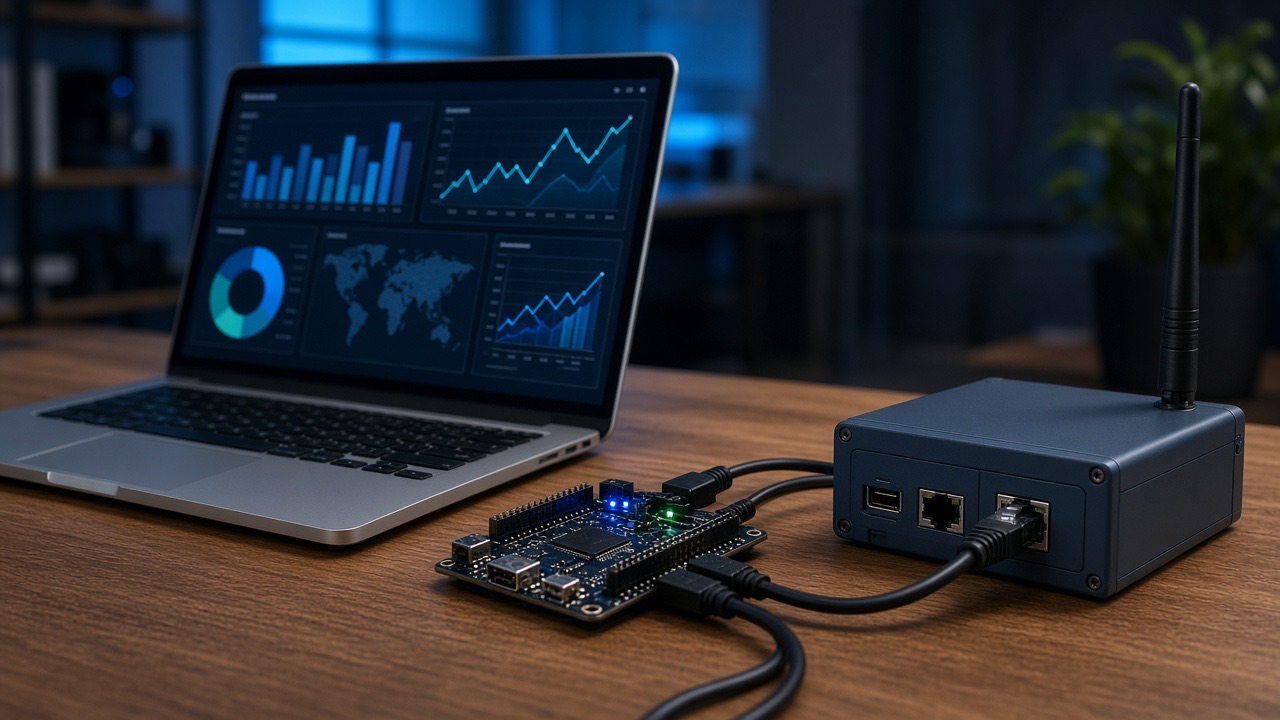
Laptop dashboard connected to an embedded gateway System Integration

One Product, Three Layers: Keeping Software, Firmware, and Hardware in Sync

Connected products fail at the seams. The application expects a sensor the firmware has not exposed, the gateway speaks a protocol the plant system does not, and a field update bricks a board that cannot roll back. Integration is the work of making those layers agree before the product leaves the lab.

Define the interfaces early: what the device reports, how it is updated, and which system owns each signal. A shared gateway, a clear data contract, and a rollback path turn separate software, firmware, and hardware efforts into one product operators can monitor and maintain.

AI in Manufacturing Artificial Intelligence

The Future of AI in Manufacturing and Industrial Automation

Artificial Intelligence is revolutionizing the manufacturing industry by enabling predictive maintenance, quality control, and process optimization. Smart factories powered by AI can now predict equipment failures before they occur, significantly reducing downtime and generating substantial savings in maintenance costs.

Machine learning algorithms analyze production data in real-time, identifying patterns and anomalies that human operators might miss. This leads to improved product quality, reduced waste, and increased overall equipment effectiveness (OEE), making AI an essential component of modern manufacturing operations.

Connected Embedded Systems Embedded Systems

Connected Systems Revolution: How Embedded Devices Transform Smart Cities

Connected intelligent devices are reshaping urban infrastructure through embedded systems that monitor and manage everything from traffic flow to energy consumption. Smart sensors deployed throughout cities collect real-time data, enabling better decision-making and resource allocation for sustainable urban development.

Modern embedded systems combine efficient processing capabilities with advanced communication frameworks to create interconnected networks that improve quality of life. From intelligent parking systems to environmental monitoring, connected embedded devices are making cities more efficient, sustainable, and responsive to citizens' needs.

Machine Learning Applications Machine Learning

Machine Learning in Healthcare: Transforming Diagnosis and Treatment

Machine learning algorithms are revolutionizing healthcare by improving diagnostic accuracy and enabling personalized treatment plans. ML models trained on vast medical datasets can detect diseases like cancer, diabetes, and heart conditions earlier and more accurately than traditional methods, potentially saving countless lives.

From drug discovery to patient monitoring, machine learning is accelerating medical research and improving patient outcomes. Predictive models help healthcare providers anticipate complications, optimize treatment protocols, and allocate resources more efficiently, making healthcare more accessible and effective for everyone.

Firmware Development Firmware

Secure Firmware Development: Best Practices for Connected Device Security

As connected devices proliferate, firmware security has become paramount. Implementing secure boot processes, encrypted communication, and remote update mechanisms ensures that embedded devices remain protected against evolving cyber threats throughout their lifecycle.

Modern firmware development requires a security-first approach, incorporating code signing, hardware root of trust, and secure storage for cryptographic keys. These practices protect devices from unauthorized access and tampering, building consumer trust and meeting regulatory compliance requirements in an increasingly connected world.

Recent Posts

  • Edge AI sensor
    Edge AI on the Factory Floor: Why Inference Is Moving Onto the Device
    • 08 SEP 2026
  • Hardware lab
    Designing Hardware That Survives the Field: PCB, Power, and Test in One Loop
    • 18 AUG 2026
  • System integration
    One Product, Three Layers: Keeping Software, Firmware, and Hardware in Sync
    • 29 JUL 2026

Ready to Pioneer Tomorrow's Innovations?

Let's Explore
Image